Company NewsSeptember 29, 20263 min read
LYNEports at the University of Craiova: Connecting Engineering Education with Aviation
Rasha Alshami met students at the University of Craiova’s Faculty of Automation, Computers and Electronics, exploring how engineering education, practical training and industry experience can strengthen Romania’s aviation capabilities.
LYNEports at the University of Craiova: Connecting Engineering Education with Aviation
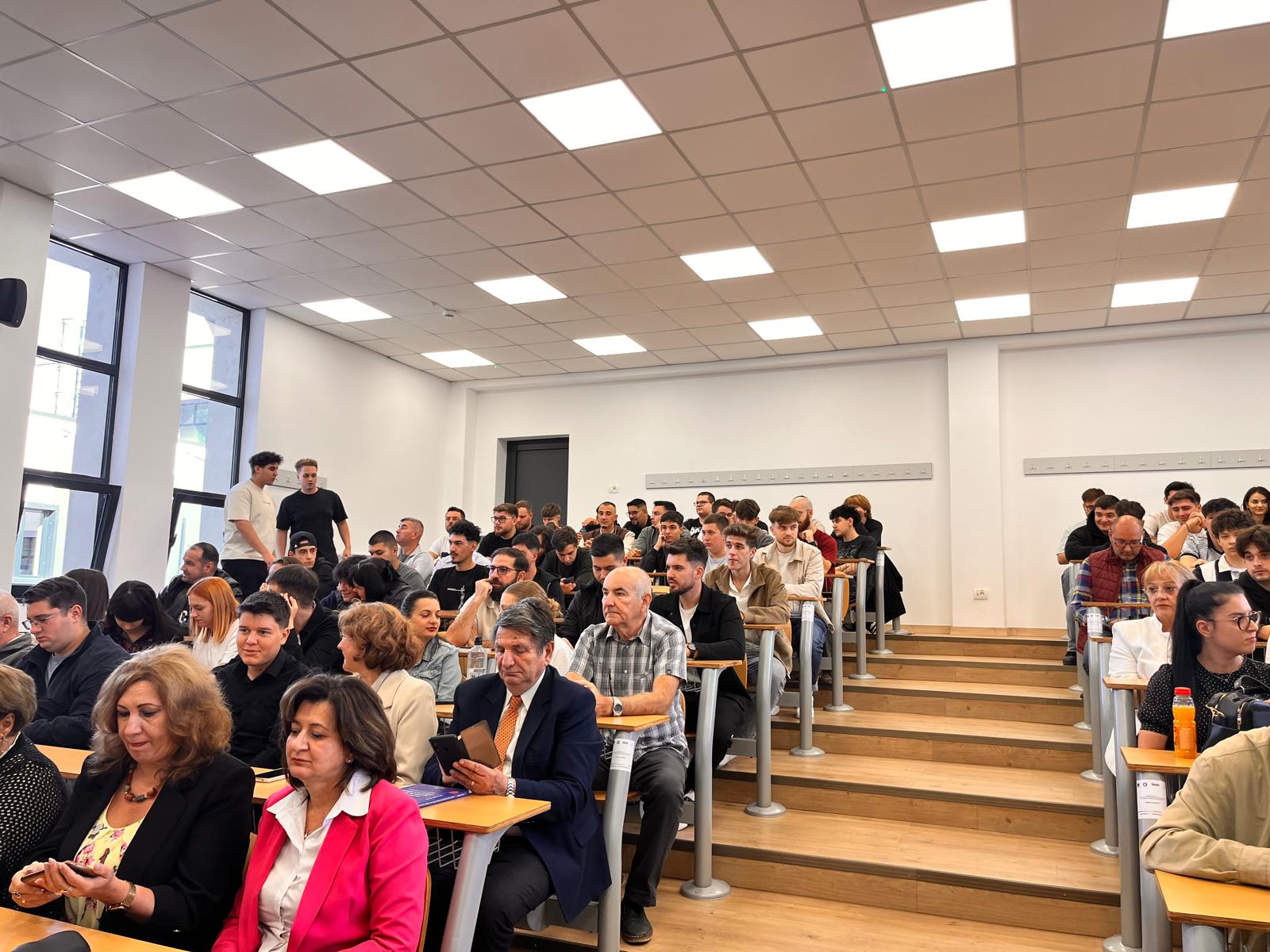
In September 2026, Rasha Alshami, CEO & Managing Director of LYNEports, visited the University of Craiova’s Faculty of Automation, Computers and Electronics to speak with students alongside industry peers.
Returning to her hometown, Rasha shared a practical perspective on aviation careers, emerging technologies and the role engineering students can play in strengthening Romania’s technical capabilities.
The message was straightforward: students can begin connecting their education with real industry problems before graduation. Aviation offers opportunities across many of the disciplines they are already studying.
Aviation needs skills across engineering disciplines
Aviation depends on the interaction between physical infrastructure, electrical systems, software, communications and operations.
Drones, helicopters and emerging aircraft bring different requirements, but all rely on engineers who understand how individual components function within a wider system. Automation, computing and electronics have a direct role in that work.
For students, the opportunity extends beyond designing an aircraft. It can include control systems, sensors, operational software, energy management, maintenance tools and the infrastructure needed to support safe operations.
Rasha encouraged students to look closely at the problems around them and consider where their skills could contribute. Understanding a practical need is often the first step towards a useful engineering solution.
Strengthening Romania’s competitiveness through practical capability
At LYNEports, we see engineering education as an important foundation for Romania’s competitiveness.
Turning that foundation into lasting capability requires opportunities to apply knowledge, work across disciplines and gain experience with the standards and responsibilities of industry.
In aviation, this means understanding how technical decisions affect safety, operations, infrastructure and cost. A solution must work within the conditions in which it will be used.
Closer connections between universities and industry can help students develop that understanding. They can also help companies recognise emerging talent and give educators insight into the practical questions businesses are trying to resolve.
For Romania, the opportunity is to build more of this expertise locally and enable students to contribute to projects serving both domestic and international needs.
Connecting education, training and industry experience
Academic study provides the technical foundations. Practical training and industry experience help students understand how to use them.
Aviation projects require people to interpret requirements, assess information, document assumptions and communicate with colleagues from other fields. These skills develop through exposure to real tasks and clear feedback.
Internships, applied projects and focused training can provide that exposure. They give students opportunities to explore different roles while helping them understand the expectations of professional work.
During the visit, Rasha welcomed students’ interest in internship opportunities at LYNEports and encouraged them to consider aviation as a field in which they could develop their skills.
The aim is to help students see a connection between what they learn in the classroom and the work they could contribute to next.
Building careers from Craiova
For Rasha, the visit also carried personal significance.
Returning to Craiova offered an opportunity to engage with students in her hometown and see the faculty’s modern facilities, meet its professors and hear from students beginning their engineering journey.
Her encouragement was to remain curious, ask questions and seek practical experience. Students can contribute to aviation through many routes, including software, electronics, automation, infrastructure and operations.
Developing those skills in Craiova can support careers locally while opening opportunities to participate in wider aviation projects.
Continuing the connection between education and aviation
LYNEports thanks the faculty leadership, professors and students for the warm welcome and the opportunity to contribute to the discussion.
From our perspective, strengthening aviation capability involves investing in people as well as technology. Education, training and practical experience help build the expertise needed to plan, deliver and support aviation projects over time.